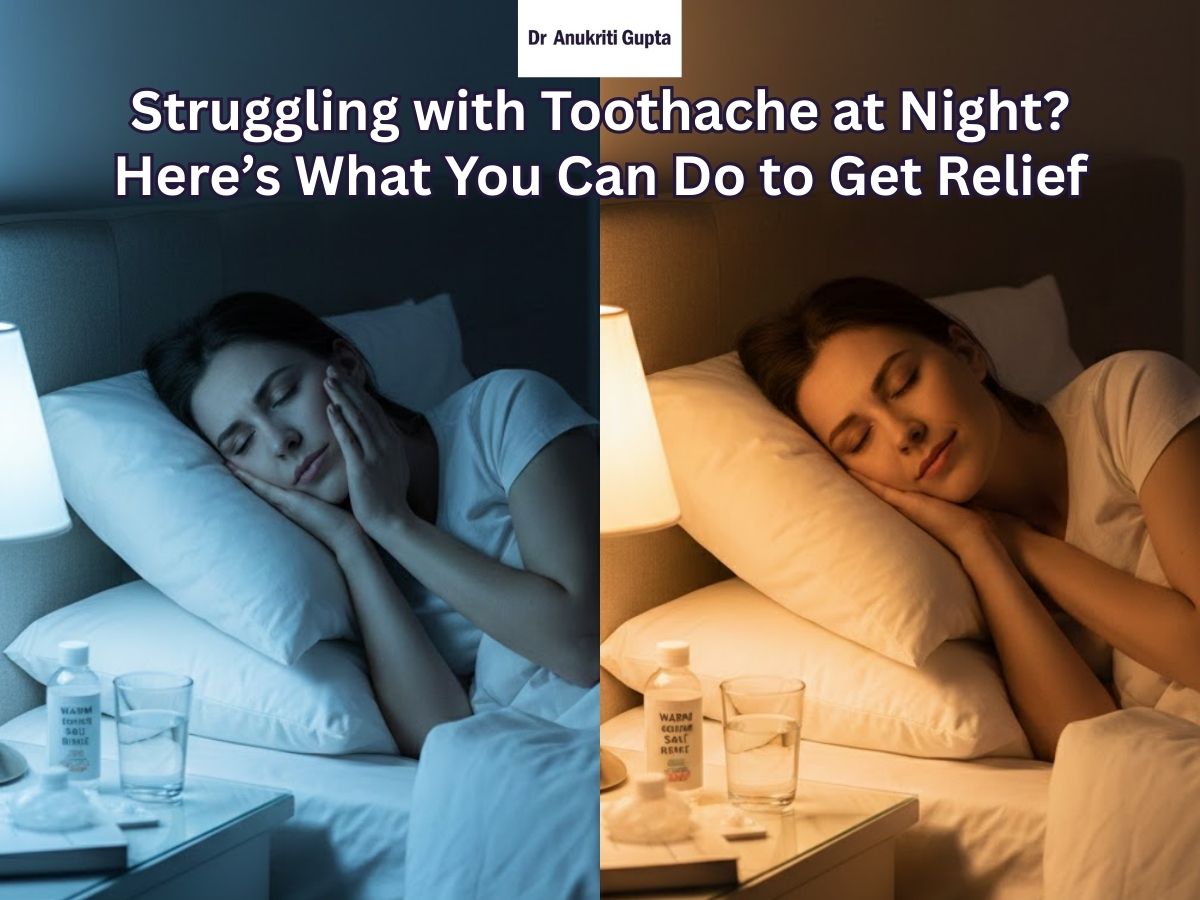
A toothache during the day can be uncomfortable, but at night it can feel unbearable. Exactly the time your body needs rest, the pain tends to flare up, making it hard to sleep or even lie down. Many people feel a sudden spike, sharp pain, or constant ache at bedtime, which can lead to unrestful nights. Toothache at night affects both adults and children. Parents, in particular, can find it stressful when a child is suffering and dental clinics are closed. A toothache usually indicates an underlying dental issue that should not be dismissed. That’s because knowing why it happens and how to manage it can help you get through the night more comfortably until you can see a dentist. The good news is you don’t have to suffer the night in silence. There are safe and effective ways to manage a toothache at night and ease discomfort until you’re able to see your dentist. In this blog, we’ll explain why toothaches feel worse at night, share quick relief tips, and explain when it’s essential to seek professional care. There are a few reasons why tooth pain feels worse at night: Combined, these factors can transform a minor tooth problem into intense nighttime discomfort. For parents, understanding early warning signs and prevention is essential—our blog on Early Signs of Tooth Decay in Kids: What to Look For? offers helpful insights. Toothache at night usually signals an underlying dental issue. Some of the most common causes include: If your toothache occurs repeatedly at night, it often means the problem is progressing and should be evaluated by a dentist. These conditions often worsen at night, making timely diagnosis and treatment essential. While home remedies cannot treat the root cause of dental problems, they may help ease pain temporarily until you receive professional dental care. Rinse with warm salt water: Apply a cold compress: Keep your head elevated: Take pain relief if necessary: Avoid trigger foods before bed: Note: It is important not to place aspirin or painkillers directly on the tooth or gums, as this can damage oral tissues. When your tooth hurts, certain foods and habits can either calm things down or make the pain worse. Avoid sugary snacks and drinks before bedtime, as sugar feeds harmful bacteria which produce acids that worsen decay and irritation. Eating sweets before bed is like inviting the problem to a midnight party. Extremely hot or cold foods can also trigger sharp pain especially if your tooth is sensitive or cracked. Hard or crunchy foods are another risk. Biting down on nuts, chips, or crusty bread can worsen cracks or gum irritation. Acidic drinks like soda, citrus juice, or wine can erode enamel further and increase sensitivity. Alcohol and smoking should also be avoided, as they can increase inflammation and slow healing. Instead, stick to soft, neutral foods if you need a bedtime snack, and rinse your mouth with water afterward and maintain a gentle nighttime oral care routine. Not all toothaches can wait until morning. Some symptoms indicate that a toothache needs urgent dental attention. Seek professional help immediately if you experience: In such situations, immediate care through our Emergency Dental Services can help prevent serious complications. Prevention is always easier than dealing with pain at midnight and it can start with a good oral care routine to reduce your risk of toothaches. Brushing gently but thoroughly before bed removes plaque and bacteria that cause decay and gum disease. Flossing is equally important, as it cleans between teeth where your toothbrush can’t reach. Using a fluoride toothpaste helps strengthen enamel and can reduce sensitivity over time. If you’re prone to nighttime tooth pain, these small changes can make a big difference. Don’t skip brushing when you’re tired; going to bed with dirty teeth gives bacteria hours to work, increasing the chance of waking up in pain. Regular dental check-ups also help detect cavities, gum issues, and cracks early—before they become painful nighttime emergencies. A toothache that worsens at night is often your body’s way of telling you something isn’t right. While temporary relief methods can help you sleep, they are not a replacement for dental treatment. Ignoring recurring or severe tooth pain can allow infections or dental problems to progress, leading to more discomfort and complications over time. If you’re experiencing recurring or severe toothache at night, don’t wait for it to get worse. Early care can save you from infection, discomfort, and sleepless nights. Book a consultation with Dr. Anukriti Gupta, trusted paediatric dentist in Gurgaon, to get timely, compassionate dental care for you or your child. She focuses on gentle, patient-first dental care for all age groups, ensuring comfort, clarity, and long-term oral health for both adults and children. Why Toothache Gets Worse at Night
Common Dental Problems That Trigger Toothache at Night
Effective Ways to Get Relief from Toothache at Night
This is one of the easiest and safest remedies. It helps clean the mouth, reduces bacteria, and soothes inflamed gums.
Place a cold pack or wrapped ice on the outside of your cheek for 10–15 minutes. This can reduce swelling and numb pain.
Sleeping with an extra pillow can reduce blood pressure around the painful tooth and ease throbbing.
Over-the-counter pain relief medication can help manage discomfort. Avoid placing any medicine directly on the tooth or gums.
Stay away from very hot, cold, sugary, or hard foods, as these can worsen tooth pain.Foods and Habits to Avoid Before Bed
When Toothache Signals a Dental Emergency
How to Prevent Toothaches at Night
Final Thoughts